

Free Things To Do In Dunedin – Beaches, Wildlife & Historic Attractions
 Free Things to Do in Dunedin – Explore the Best Without Spending a Cent
Dunedin is one of New Zealand’s most historic and picturesque cities—and you don’t need to spend a fortune to enjoy it. From coastal hikes and street art to heritage gardens and vibrant urban spaces, Dunedin offers a wide variety of free experiences that highlight the city’s unique character and natural beauty.
Dunedin Street Art Trail – Urban Creativity on Display
Discover over 30 large-scale murals as you follow the Dunedin Street Art Trail, a self-guided walk through the heart of the city. Created by local and international artists, these vibrant artworks transform the walls of buildings into an open-air gallery. Start at the i-SITE Visitor Centre or download the map to explore hidden alleyways, backstreets, and main roads decorated with bold and thought-provoking pieces. It’s a fun, free way to experience Dunedin’s creative energy.
Dunedin Botanic Garden – New Zealand’s Oldest Botanical Gem
Established in 1863, the Dunedin Botanic Garden is a peaceful retreat located just north of the city centre. Spanning over 30 hectares, the gardens are divided into upper and lower sections, featuring native plant collections, themed gardens, an aviary, and the stunning Rhododendron Dell. Whether you’re a plant enthusiast or just looking for a scenic picnic spot, the gardens offer tranquility and beauty year-round, all free to explore.
Tunnel Beach – Dramatic Cliffs and Coastal Beauty
Located just a short drive from central Dunedin, Tunnel Beach is a spectacular natural attraction accessed by a steep walking track. The trail descends through farmland and leads to a hand-carved 1870s tunnel that opens onto a secluded beach framed by towering sandstone cliffs. It’s an unforgettable destination for scenic views, dramatic rock formations, and peaceful solitude—especially around sunset or during low tide.
Sandfly Bay – Wildlife Encounters on the Otago Peninsula
Sandfly Bay is a hidden gem on the Otago Peninsula, offering a chance to see wildlife up close in a natural setting. A short but steep walking track leads through windswept dunes to a remote beach where you may spot rare yellow-eyed penguins, sea lions, and a variety of seabirds. It’s free to visit and one of the most rewarding locations in Dunedin for nature lovers and photographers.
The Octagon – Dunedin’s Historic Civic Heart
The Octagon is Dunedin’s central gathering space, surrounded by heritage architecture, lively cafés, and important cultural institutions. Relax on the public seating, enjoy local buskers, or admire the statues and public art installations. With the Dunedin Public Art Gallery and St. Paul’s Cathedral just steps away, The Octagon is a great place to start your free exploration of the city.
Dunedin Public Art Gallery – A Cultural Treasure
Located in The Octagon, the Dunedin Public Art Gallery offers free entry to a wide range of exhibitions showcasing both international and New Zealand artists. Inside, you’ll find classic works, contemporary pieces, photography, and special exhibitions, all displayed in a spacious and beautifully curated environment. Whether you’re escaping the rain or diving into local culture, this gallery is well worth a visit.
St. Clair Beach – Surf, Sunsets & Seaside Charm
Just a 10-minute drive from the city centre, St. Clair Beach is a local favourite known for its surf breaks, wide sandy shores, and relaxed coastal vibe. Stroll along the esplanade, watch the surfers from the seawall, or dip your toes in the South Pacific. With nearby cafés and restaurants, it’s easy to spend a few hours enjoying the beachside atmosphere—all for free.
Ross Creek Reservoir – Forest Trails Close to Town
Nestled in the hills behind Dunedin’s suburbs, Ross Creek Reservoir is surrounded by native forest and offers a network of walking trails suitable for all ages. Originally built in the 1860s, the area blends historical infrastructure with natural beauty. The peaceful loop tracks are popular with joggers, families, and anyone wanting to unwind in nature—without leaving the city.
Larnach Castle Gardens – Panoramic Peninsula Views
While there’s a charge to enter Larnach Castle itself, the gardens and surrounding public roads provide some of the best views on the Otago Peninsula. Take a drive or walk along the castle access road for sweeping vistas, dramatic coastal backdrops, and glimpses of the castle exterior. It’s a picturesque detour that doesn’t require a ticket.
University of Otago – Heritage and History in the Heart of the City
Founded in 1869, the University of Otago is New Zealand’s oldest university and features beautiful Gothic Revival architecture. The iconic clocktower building and landscaped riverside campus are open to the public and make for a scenic walk through academic history. It’s also a great spot for photos, especially during spring when the gardens are in bloom.
Dunedin: Places of Interest and Iconic Landmarks
Dunedin is a city shaped by history, nature, and culture — and its iconic landmarks reflect that blend. From Victorian architecture and coastal castles to dramatic natural viewpoints and academic heritage, here are some of the must-see places that define Dunedin.
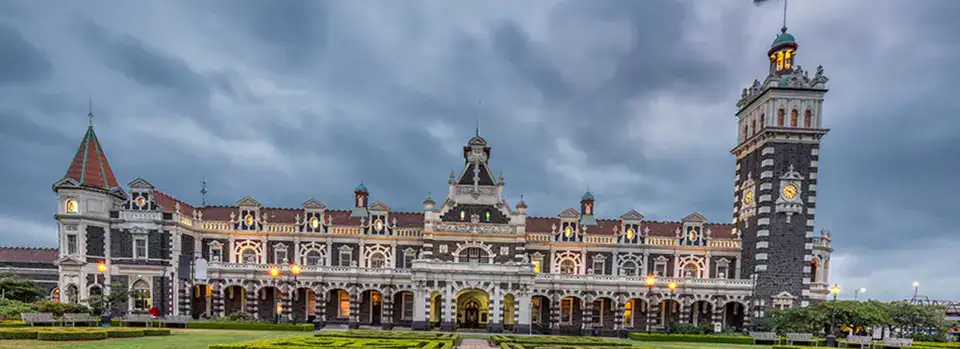
Dunedin Railway Station – The Jewel in the Crown
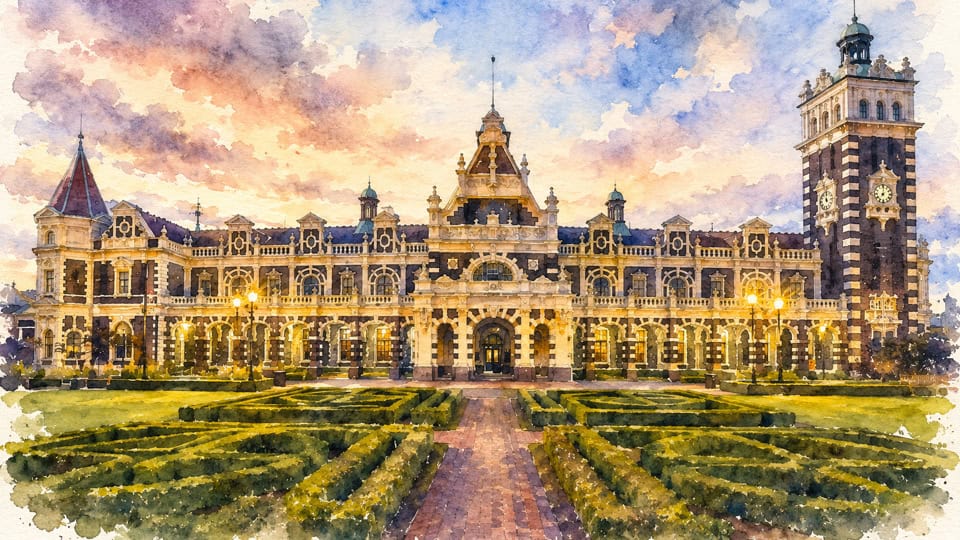
Often called the most photographed building in New Zealand, the Dunedin Railway Station is a stunning example of Flemish Renaissance Revival architecture. Its grand façade, mosaic tile floors, and stained-glass windows make it a must-visit for history and architecture lovers.
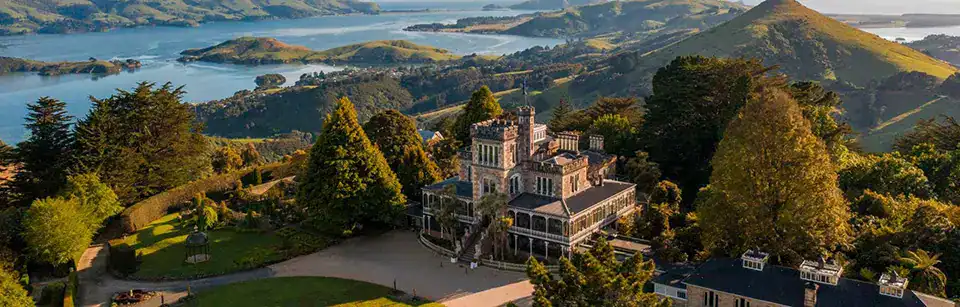
Larnach Castle – New Zealand’s Only Castle
Perched high on the Otago Peninsula, Larnach Castle offers a unique blend of history, lavish gardens, and sweeping coastal views. While entry to the interior is ticketed, the surrounding area, gardens, and views are also worth the journey.
The Octagon – Dunedin’s Civic Heart
At the centre of Dunedin sits The Octagon, a vibrant eight-sided plaza surrounded by cafés, heritage buildings, and cultural institutions. It’s home to the Dunedin Public Art Gallery and St. Paul’s Cathedral — and often hosts markets, events, and street performers.
Baldwin Street – The Steepest Street in the World
Once officially recognised by Guinness World Records, Baldwin Street draws curious visitors looking to tackle its extreme incline by foot (or photo). It’s free to visit, and the views from the top offer a unique perspective on Dunedin’s hilly terrain.

Otago Museum – Science, Culture, and Natural Wonders
Located near the university precinct, the Otago Museum features fascinating exhibits ranging from M?ori culture and early Pacific navigation to geology, wildlife, and space science. It’s family-friendly and entry is free (with some paid special exhibitions).
Signal Hill Lookout – Panoramic City Views
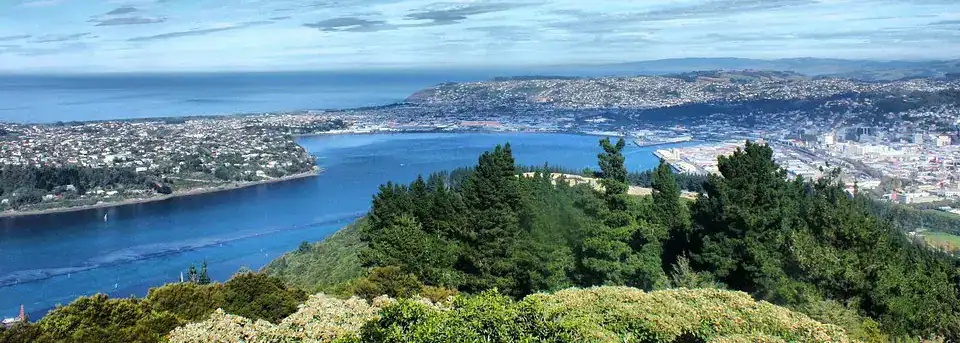
For one of the best views over Dunedin, drive or hike up to Signal Hill. The lookout features commemorative monuments and sweeping views across the harbour, city, and peninsula. A great place to watch the sun rise or set.
University of Otago Clocktower – Heritage in Academia
The Gothic Revival-style clocktower building is one of Dunedin’s most iconic landmarks. Founded in 1869, the University of Otago is New Zealand’s oldest university, and its riverside campus makes for a scenic and educational walk.
St. Paul’s Cathedral – A Spiritual Landmark in The Octagon
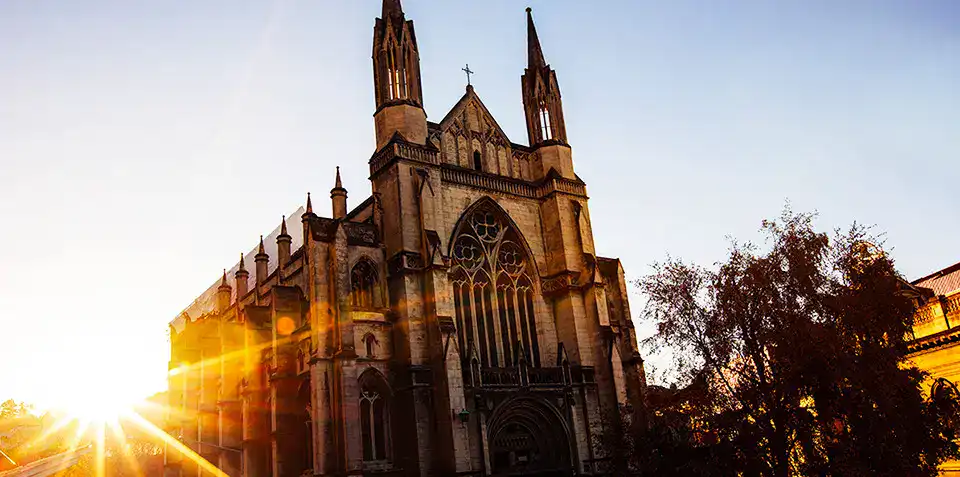
Standing proudly at the head of The Octagon, St. Paul’s Cathedral features Gothic Revival architecture, stained glass windows, and a commanding stone interior. It’s open to the public for quiet reflection or guided visits.
Dunedin Town Hall – A Civic Icon
This historic building anchors The Octagon alongside the cathedral and art gallery. Its elegant clock tower and architectural detailing are impressive day or night, especially when illuminated for public events or performances inside.
