Cathedral Cove Kayak Tours Coromandel
Paddle through sea caves, interact with the local marine life and discover the thrill of kayak paddling with the wind on your back.
Updated 27 Th February 2026
Discover the best things to do in the Coromandel, from relaxing at Hot Water Beach and exploring Cathedral Cove to scenic train rides and island cruises.
Whether you’re visiting Whitianga, Thames or exploring the wider peninsula, this guide covers iconic attractions, free coastal experiences and unforgettable tours — all in one place.
Welcome to your guide to the best things to do in the Coromandel — from relaxing at Hot Water Beach and exploring Cathedral Cove to scenic coastal walks, island cruises and unforgettable outdoor adventures.
This stunning peninsula on the eastern edge of the Hauraki Gulf is known for its golden beaches, native forests and dramatic coastline. Whether you’re searching for free things to do, family-friendly activities or bookable Coromandel tours, you’ll find the region’s top attractions all in one place.
While many water-based adventures depart from Whitianga, including kayaking, snorkelling and scenic boat trips, the wider Coromandel also offers hidden waterfalls, historic walking tracks and peaceful seaside escapes across Thames, Tairua and beyond.
Visit Cathedral Cove and relax on one of New Zealand’s most iconic beaches
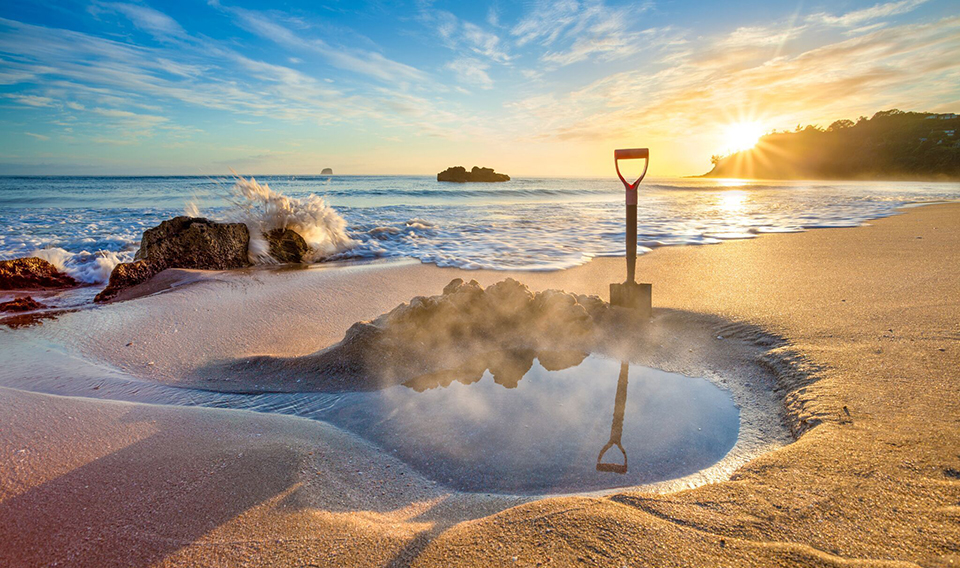
Dig your own natural spa pool at Hot Water Beach
Take a scenic boat trip or sailing cruise around Mercury Bay
Go sea kayaking along the Coromandel’s dramatic coastline
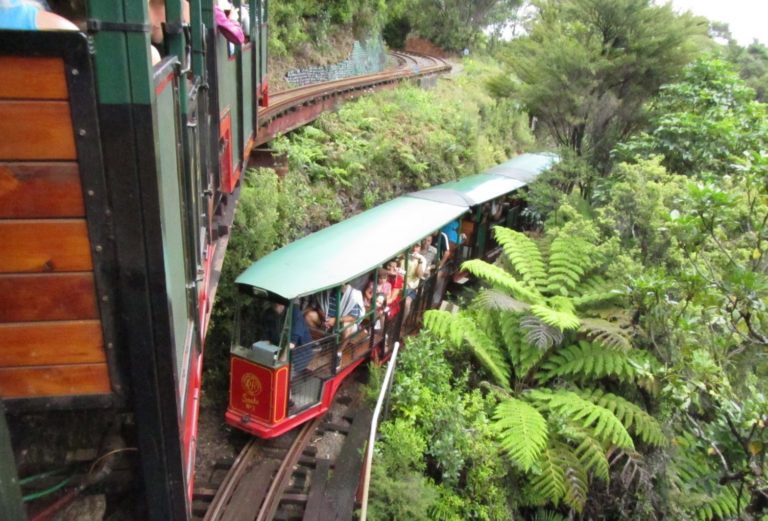
Ride the Driving Creek Railway for panoramic peninsula views

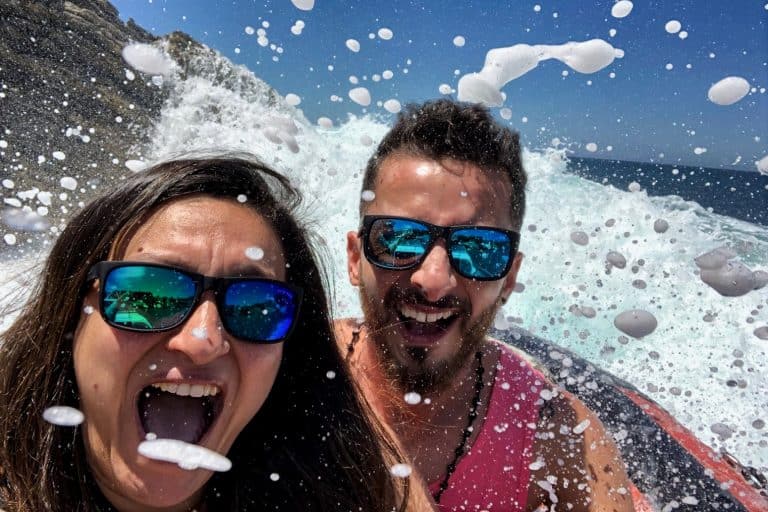
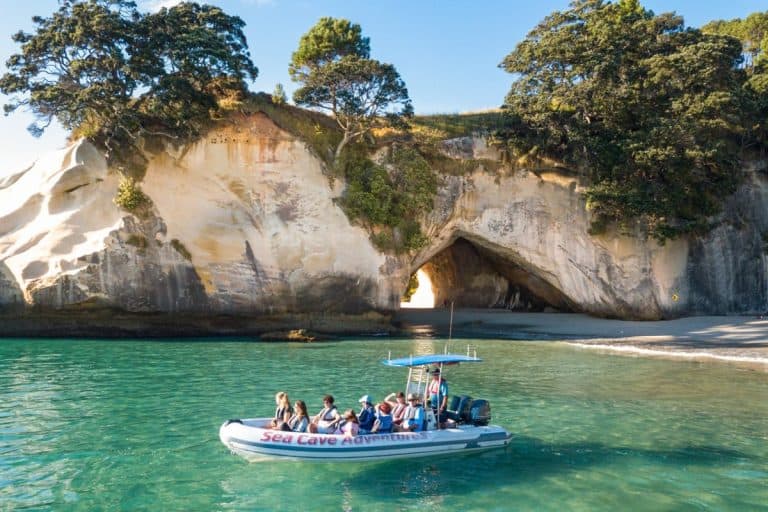
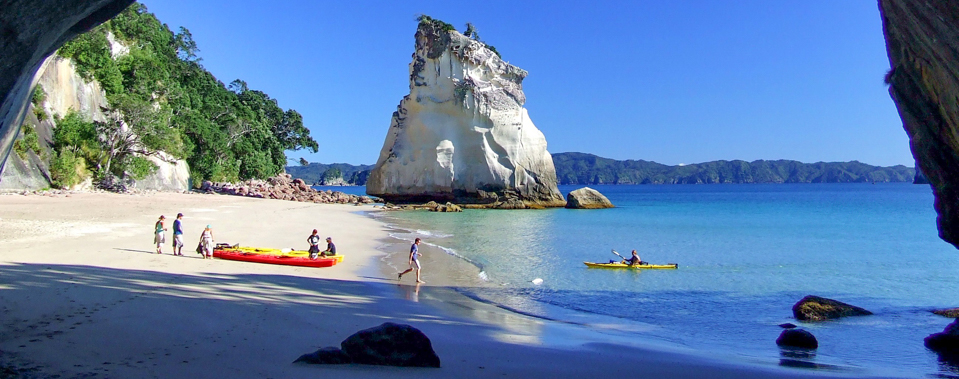
Paddle through sea caves, interact with the local marine life and discover the thrill of kayak paddling with the wind on your back.

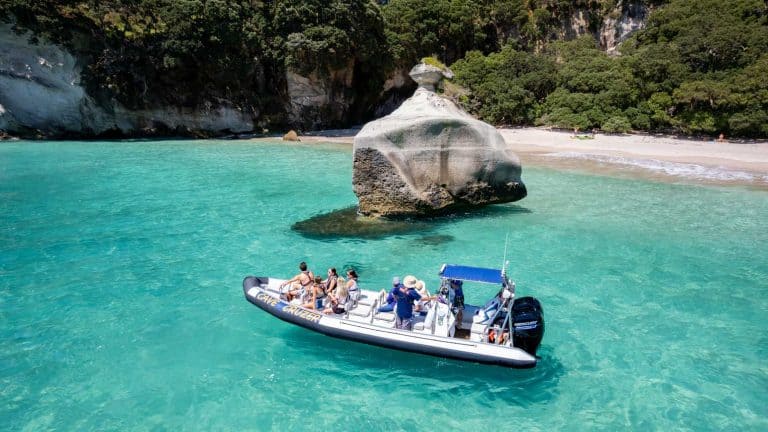
Cathedral Cove small group boat tour from Whitianga. Cruise sea caves, swim in the marine reserve and explore Mercury Bay’s volcanic coastline.

Take in Golden beaches, Sea Caves, offshore islands, blowholes, towering rock faces and the famous Cathedral Cove

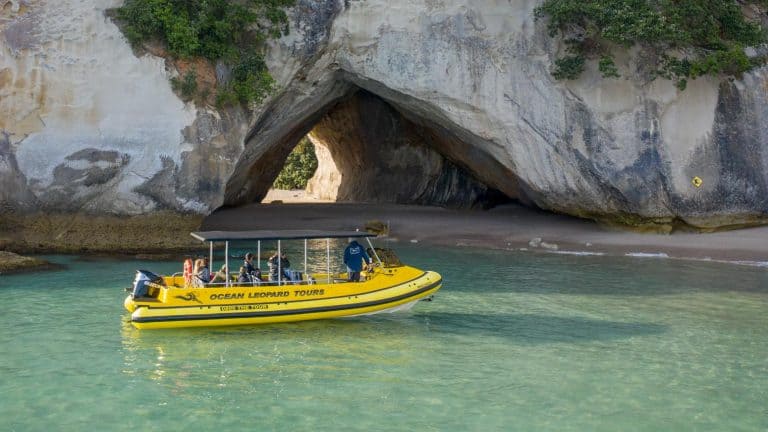
Ocean Leopard boat tours in Whitianga offer relaxed coastal cruises to Cathedral Cove with marine wildlife sightings and dramatic Mercury Bay scenery.

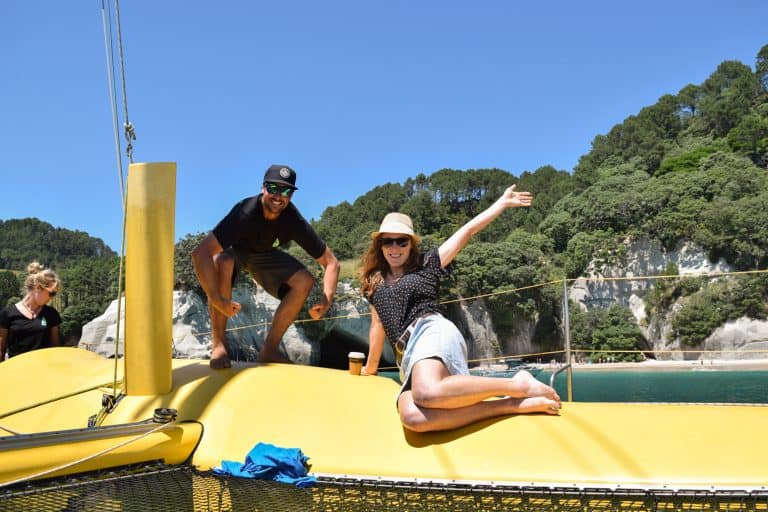
Sail from Whitianga to Cathedral Cove on a half or full-day trip with Boom Sailing. Explore Mercury Bay by catamaran or book a private charter today.


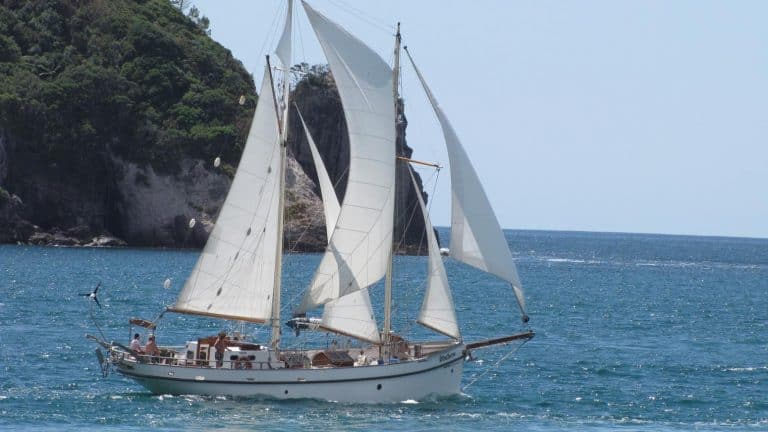
Sail aboard Windborne, a classic 62-ft schooner in Whitianga. Enjoy day sails, sunset cruises or private charters across the stunning Mercury Bay coastline.

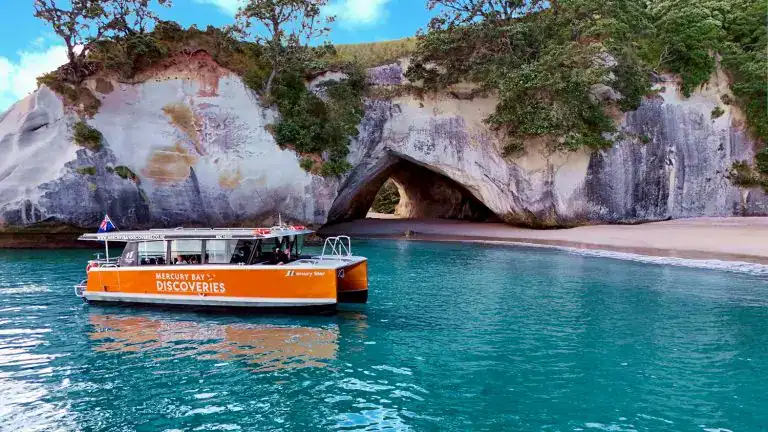
Discover Mercury Bay on a guided boat trip in Whitianga aboard Mercury Star. Enjoy coastal views, vibrant marine life, and eco-friendly comfort. Book now!

See Shakespeare’s Cliff, Lonely Bay, Cathedral Cove. See Inside Cooks Blowhole & Whale Cave …. Awesome Trip!

‘Driving Creek Railway is the country’s only narrow-gauge mountain railway that began in 1975 and built mostly by hand.

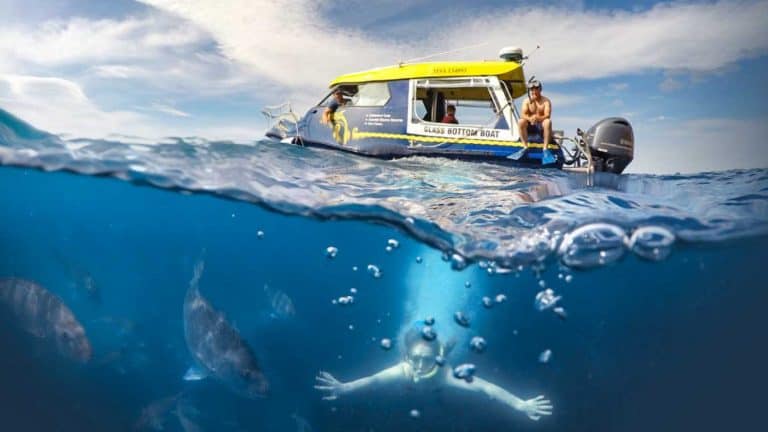
Experience the only glass bottom boat tour in Whitianga, cruising to Cathedral Cove with underwater viewing panels and abundant marine life.

Our flights offer a variety of experiences that can be personalised to meet your requirements, or choose from one of our Waiheke Island package deals
The Coromandel Peninsula is packed with iconic attractions, scenic towns and natural landmarks that make it one of New Zealand’s most loved coastal destinations.
Coromandel Town sits beneath rugged hills at the head of Coromandel Harbour and is home to the famous Driving Creek Railway — a unique hand-built narrow-gauge train journey offering panoramic views across the peninsula. Nearby, The Waterworks showcases classic Kiwi ingenuity with interactive displays and family-friendly fun.
Whitianga is the gateway to Mercury Bay and one of the best bases for exploring the region’s most popular sights. From here you can visit Cathedral Cove, one of the Coromandel’s most photographed beaches, and Hot Water Beach, where natural geothermal springs allow visitors to dig their own spa pool in the sand.
Further south, Pauanui and Tairua offer superb coastal scenery and water activities including kayaking, sailing and swimming. Whangamatā is known for its relaxed surf-town vibe, while Waihi reveals the region’s gold-mining heritage through the Martha Mine and the dramatic Karangahake Gorge Windows Walk.
Whether you’re searching for free things to do in the Coromandel or planning scenic tours and coastal adventures, these top places and attractions highlight the very best of the peninsula.
The Coromandel Peninsula is just as rewarding when you keep your wallet in your pocket. Between boat trips and scenic flights, carve out time for cliff-top lookouts, waterfall walks and long, dune-backed beaches. Most ideas below need nothing more than comfy shoes and a water bottle; a few work best at low tide or in calmer weather. We’ve noted where to start, how long to allow, and why it’s worth it so you can plan at a glance—and still leave room for a spontaneous swim.
If you’re new to the area or travelling with kids, we’ve kept directions simple, flagged any tide/parking quirks, and highlighted easy options first—so everyone’s excited before you even set out.
Start/Access: From Hahei township. Use the Hahei Visitor Carpark and walk or take the local shuttle up to the track start (no parking at the top in peak times). Private parking and walking access may be available via Lees Road—follow on-site signage.
Time needed: ~90 minutes return, or 2.5–3 hours with photo/swim stops.
Why go: The first reveal through the arch to chalk cliffs and cobalt water is a signature Coromandel moment.
Tips: Go early or late for softer light. Carry water and sun protection. Track conditions can change after rough weather—check local advice on the day.
Start/Access: Signed parking near the main beach; hot springs bubble up in the sand towards the southern end.
Time needed: 1–2 hours centred on low tide (the sweet spot is roughly an hour either side).
Why go: Dig your own seaside spa and use the ocean as a cold plunge—only in the Coromandel.
Tips: Bring or hire a spade. Test sand temperature before sitting. Keep an eye on waves and children—hot patches shift with the tide.
Start/Access: Park at Whangapoua. Walk from the northern end of the beach; there’s a shallow stream crossing and a rocky section—easiest near low tide.
Time needed: 30–40 minutes each way; allow 2–3 hours to explore and take the lookout spur.
Why go: An undeveloped crescent of sand with zero shops or houses—pure soundtrack of waves and birds.
Tips: Wear sturdy footwear and carry water; there are no facilities. The spur to the lookout is short but uneven—worth it for the view.
Start/Access: Short, steep path from the Mount Paku Road area (limited street parking; be considerate).
Time needed: 45–60 minutes return, plus time to soak in the panorama.
Why go: Big views of Tairua Harbour, Pauanui and offshore islands for modest effort—golden hour is magic.
Tips: Steps can be slippery after rain. No toilets on the track—plan ahead.
Start/Access: Drive from Cooks Beach via Purangi Road to Shakespeare Cliff Reserve (short walk to the lookout). A side track leads down to Lonely Bay.
Time needed: 45–90 minutes depending on beach time.
Why go: Wide Mercury Bay panoramas up top, then a tucked-away pocket of white sand below.
Tips: Bring a picnic and swim gear. Shade arrives in the afternoon. Combine with Cooks Beach or Ferry Landing for an easy half-day.
Start/Access: From the DOC campground at the end of Wentworth Valley Road; well-graded riverside track with bridges.
Time needed: 2.5–3 hours return to the falls (many do it a touch faster—leave time to linger).
Why go: Twin-tier falls, ferny gullies and birdsong—an ideal family walk.
Tips: Keep kids close near drop-offs and wet rocks. Dogs must be on a lead if permitted—check signage at the trailhead.
Start/Access: Signposted walks beside SH2 in Karangahake Gorge; the Windows Walk is a loop through old gold-mining tunnels with cliff-edge “windows” above the river.
Time needed: About 1 hour for the loop.
Why go: History you can walk through—swing bridges, tunnels, and emerald river views.
Tips: Bring a torch or phone light. Tracks can close after heavy rain—check local notices if the weather’s been rough.
Start/Access: From the northern end of Waihi Beach; the coastal track undulates to Orokawa Bay. Very high tide or strong swell can make the first section tricky.
Time needed: 45–60 minutes each way; allow 2–3 hours to picnic and swim.
Why go: A wild, pohutukawa-framed bay with big skies and a “world-away” feel.
Tips: No facilities—pack water, snacks and sun protection. Continue towards Homunga Bay if you want a longer adventure.
Start/Access: Park near the Opoutere/Wharekawa Harbour entrance. Cross the footbridge and follow the sandy track through pines to the beach (toilets at the trailhead).
Time needed: 30–90 minutes depending on how far you wander (the official beach track is an easy 1.4 km return).
Why go: Long, dune-backed sands with hardly anyone—just surf, sky and birds.
Tips: Respect dotterel nesting areas near the estuary—give them space and obey seasonal signs.
Start/Access: Park in Hahei and follow the signposted path to the coastal lookout above the northern end of the beach (separate to the full Cathedral Cove track).
Time needed: 45–75 minutes out-and-back with time at the viewpoint; add a beach swim.
Why go: Classic Coromandel coastline views without committing to the full Cathedral Cove walk—plus a superb family beach day.
Tips: Early morning and late afternoon are quieter and prettier. Take care on dry, dusty sections.
Start/Access: Drive up Kauaeranga Valley Road from Thames to the signed trailheads (Webb Creek/Billygoat) past the visitor centre. Expect some gravel sections and fords; take care after heavy rain.
Time needed: Strong full-day hike — allow 6–7 hours return to the summit, or make it an overnight using the Pinnacles Hut (hut fees apply; the walk itself is free).
Why go: A classic Coromandel tramp with swing bridges, staircase-like stone steps and laddered rock near the top. The 360° summit panorama over ridgelines and valleys is a proper “wow” moment.
Tips: Treat this as a backcountry outing: good fitness, sturdy footwear, 2–3L of water, snacks, layers, and a head torch. Start early for cooler temps and time at the top. Check local track/road conditions after wet weather, and be ready to turn back if rivers are high.
After the beaches and lookouts, finish with something you can’t DIY: a glass-bottom boat into caves and blowholes, a guided kayak at golden hour, or a short boat cruise that hits the best angles without the crowds. Perfect for first-timers and families—all gear sorted, friendly local guides, and easy start points around Hahei, Whitianga and Tairua. You get the stories, the safety, and zero guesswork on tides or parking.
Make it effortless ? See tours & availability above
Whitianga is a great base for snorkelling, guided kayak tours, glass-bottom boat trips, fishing, and scenic coastal cruises to sea caves and sheltered bays. On land, add short coastal walks, local lookouts and laid-back beach time. Most experiences are family-friendly with easy half-day options.
Don’t miss Cathedral Cove, Hot Water Beach, Driving Creek Railway, The Waterworks, Shakespeare Cliff Lookout, and Mount Paku. Quieter gems include Opoutere Beach, Orokawa Bay, and the Karangahake Gorge Windows Walk.
Plenty. Try cliff-top lookouts, waterfall walks, and wild beaches like Opoutere and Orokawa. Short summit climbs (Mount Paku) and coastal paths (Hahei/Whangapoua) need little more than comfy shoes, water, and sun protection.
Top picks: Cathedral Cove Walk, Wentworth Falls Track (Whangamat?), Karangahake Gorge Windows Walk, Mount Paku Summit, and Shakespeare Cliff Lookout. Allow 1–3 hours depending on the track, and check local advice after wet weather.
Families love Hot Water Beach, Cathedral Cove (or the shorter Hahei lookout), short boat cruises, guided kayak tours, Driving Creek Railway, and easy beach days at Hahei, Cooks Beach, Pauanui, and Whangamata. Most operators provide gear and simple briefings.
Aim for low tide—the sweet spot is roughly an hour either side. That’s when the hot springs in the sand are easiest to find and enjoy. Bring or hire a spade, test the sand temperature, and keep an eye on incoming waves and kids.
Conditions can change after storms. Typically you’ll park in Hahei and walk or shuttle to the track start; peak times may restrict parking near the top. Build in extra time, carry water, and be prepared for short, steep sections.
A car makes it much easier. Distances look short but roads are winding and scenic, so travel takes longer than expected. Public transport is limited; tours run from key hubs but self-drive offers the most flexibility.
2–3 days is a comfortable first visit. Base on the east coast for beaches and boat/kayak access—Whitianga or Hahei work well. Tairua/Pauanui suit short climbs and family beaches; Whangamat? is great for surf and waterfall walks.
Sun protection (hat, sunscreen), a refillable water bottle, sturdy footwear for tracks, swimwear/towel, and a light layer for changeable weather. A small torch/phone light helps in tunnels (Karangahake). Check tides if heading to Hot Water Beach or coastal tracks.
Yes—Driving Creek Railway, local galleries and cafés, short lookouts between showers, or a soak/spa experience if that suits your plan. Boat/kayak tours may still run in calm drizzle; operators will advise on conditions and comfort
Parking is limited at peak times. In Hahei, expect to park in the village and walk or shuttle to the track start. At Hot Water Beach, arrive early around low tide; follow local signage—patrolled areas and hot spots shift with the tide.
Rules vary by beach and season due to bird-nesting and local bylaws. Expect on-lead requirements at best, and seasonal restrictions on some beaches (especially near estuaries). Check signs at each access point.
Yes—Shakespeare Cliff Lookout is close to parking, Hahei Beach Lookout is shorter than the full Cathedral Cove walk, and several bays offer easy beach access with big views from the sand