

- Home
- North Island
- South Island
- NZ Travel Guide
- Contact Us
Christchurch to Greymouth: Two Ways to Reach the West Coast
Page Created: 22nd July 2026
Arthur's Pass or Lewis Pass — Choose Your Route to the West Coast
The drive from Christchurch to Greymouth is one of New Zealand’s most spectacular road trips, crossing the Southern Alps via either Arthur’s Pass or Lewis Pass before descending to the rugged West Coast.
There are two ways to drive from Christchurch to Greymouth, and they couldn’t feel more different. One climbs over the Southern Alps through Arthur’s Pass, past limestone boulders and alpine kea, on one of New Zealand’s great mountain crossings. The other heads north through Hanmer Springs and over the gentler Lewis Pass, arriving at the coast via the Pancake Rocks and blowholes at Punakaiki. Both roads lead to the same place. How you get there is up to you.
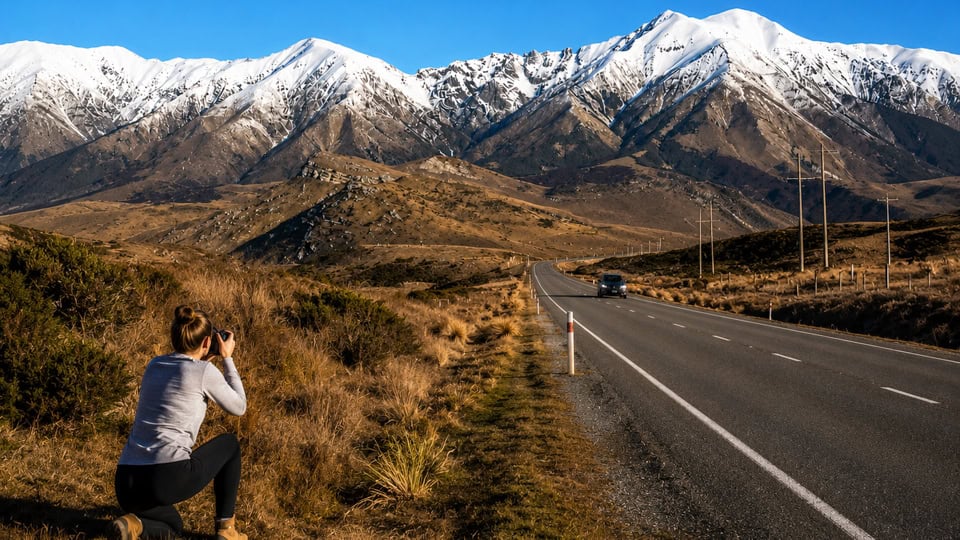
If you don’t have a car, the Arthur’s Pass route can still be done without driving — the TranzAlpine train follows this route through to Greymouth. Alternatively, it’s common for travellers to drop off a hire car in Christchurch and pick up another on arrival at Greymouth, picking up the rest of the West Coast from there.
Tranz Alpine Train Journey: Christchurch to Greymouth
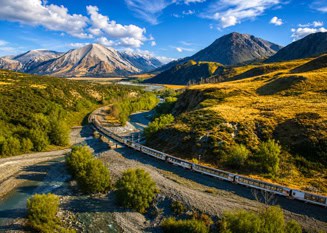
Travel through the spectacular Southern Alps aboard the world-famous TranzAlpine from Christchurch to Greymouth. Relax as you pass native beech forests, snow-capped peaks, the braided Waimakariri River and Arthur’s Pass National Park, with panoramic windows, an open-air viewing carriage and GPS-triggered audio commentary available at every seat. Cost: $239 per person Chid $167.30
Two Routes, One Destination — What Each Journey Offers
Route A — Arthur's Pass (SH73)
Distance: ~240 km · Drive time: around 3 hours 20 minutes
- Crosses the Southern Alps at 920 metres — one of New Zealand’s great alpine highway crossings
- Castle Hill’s giant limestone boulders, a short and easy stop right beside the road
- Close encounters with kea, New Zealand’s cheeky alpine parrot, on short walks near the pass
- Native beech forest, waterfalls, and dramatic valley views the whole way through
- Option to ride the TranzAlpine train instead of driving, then rejoin the road at Greymouth
- Worth staying overnight at Arthur’s Pass if you have the time, with a good range of accommodation and both short and longer alpine walks to choose from
- The shorter and more direct of the two routes, though also the one most likely to close in winter snow
Route B — Lewis Pass via Hanmer Springs (SH7)
Distance: ~345 km · Drive time: around 4 hours 30 minutes (longer if you take the coastal option via Westport)
- Stop at Hanmer Springs to soak in the thermal pools before continuing over the alps
- Crosses Lewis Pass at 907 metres, a gentler and often more weather-reliable alternative to Arthur’s Pass
- Passes through Reefton, one of the West Coast’s old gold-mining towns, where you can choose to head direct to Greymouth or via Westport
- The Westport option adds a scenic coastal drive with extra stops along the way, including the Pancake Rocks and Blowholes at Punakaiki (best timed around high tide) — and Karamea beyond, if you have time
- A longer drive overall, but one with more stops and more variety along the way
- Often the preferred route if Arthur’s Pass is closed by snow
Which Route Should You Take?
Choose Arthur’s Pass if: you want the shorter drive, love mountain scenery, and want a real chance of spotting kea in the wild.
Choose Lewis Pass if: you’ve got an extra hour to spare, want to soak in Hanmer Springs on the way, and don’t want to miss Punakaiki’s Pancake Rocks.
Either way: both roads can close temporarily in winter snow — Lewis Pass tends to stay open more reliably, so it’s worth having as your backup if Arthur’s Pass is closed the day you travel.

Route A — Christchurch to Greymouth via Arthur's Pass
Leaving Christchurch, the Canterbury Plains stretch out flat and wide for the first hour, giving little hint of what’s ahead. Then the land starts to lift. Farmland gives way to foothills, and within about ninety minutes you’ll reach Castle Hill — a rolling paddock scattered with limestone boulders the size of houses, easy to pull over and wander through for twenty minutes or so.
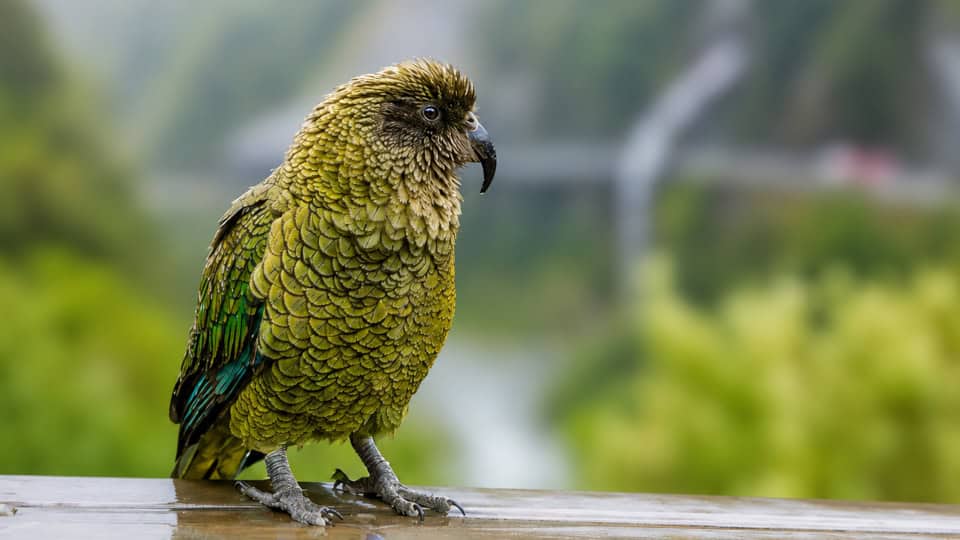
From there the road climbs properly. Beech forest closes in, waterfalls appear against the rock faces, and the temperature drops as you near Arthur’s Pass village, tucked right at the base of the summit. This is prime kea territory — New Zealand’s only alpine parrot, intelligent and completely unbothered by people, often turns up right around the village and the short walking tracks nearby.
Over the top, the descent to the coast is quick. Beech forest turns to dense rainforest, the Otira Viaduct carries the road across a steep gorge, and within about an hour of the summit you’re rolling into Greymouth.
Getting there without driving yourself: several operators run day trips from Christchurch to Arthur’s Pass, and Flying Kiwi runs scheduled transport from Christchurch through to Greymouth and on down the West Coast — a good option if you’d rather sit back and watch the scenery than drive it.
Route ‘A’ addition:
Worth staying overnight? Arthur’s Pass rewards travellers who aren’t in a rush. Staying overnight lets you experience New Zealand’s dramatic Southern Alps at a relaxed pace rather than rushing through on a day trip from Christchurch or the West Coast — with time for the area’s longer alpine hikes, better odds of spotting kea and other native wildlife, and a proper feel for the remote mountain atmosphere after the day-trippers have moved on. The village has a good range of accommodation to suit.
Route B — Christchurch to Greymouth via Lewis Pass & Hanmer Springs
Distance: ~345 km · Drive time: around 4 hours 30 minutes (longer if you take the coastal option via Westport)
This route heads north out of Christchurch first, through the Waipara wine district, before reaching Hanmer Springs after about an hour and forty minutes. It’s worth treating this as a proper stop rather than a drive-through — the thermal pools are the obvious drawcard, but the town itself makes a good stretch-your-legs break before the alpine crossing ahead. For more on what to do here, see our [Hanmer Springs page].
From Hanmer, the road climbs gradually into Lewis Pass, reaching 907 metres at its summit — lower than Arthur’s Pass, and generally more reliable in bad weather. There are several short walks through beech forest if you want to get out of the car, and Maruia Springs offers another hot pool stop right beside the road if one soak wasn’t enough.
Beyond the pass, the road runs through Reefton, once known as “the town of light” for being the first in New Zealand to have public electricity — a handful of original 1880s buildings still line the main street if you want a short wander.

Route ‘B’ addition:
Worth staying overnight? Reefton makes a good stopping point in its own right. An overnight stay lets you take in this charming 19th-century gold-mining town at a relaxed pace, surrounded by the rugged Victoria Forest Park — with time for heritage walks, local craft gin tasting, and a go at gold panning, before continuing to the coast the next day.
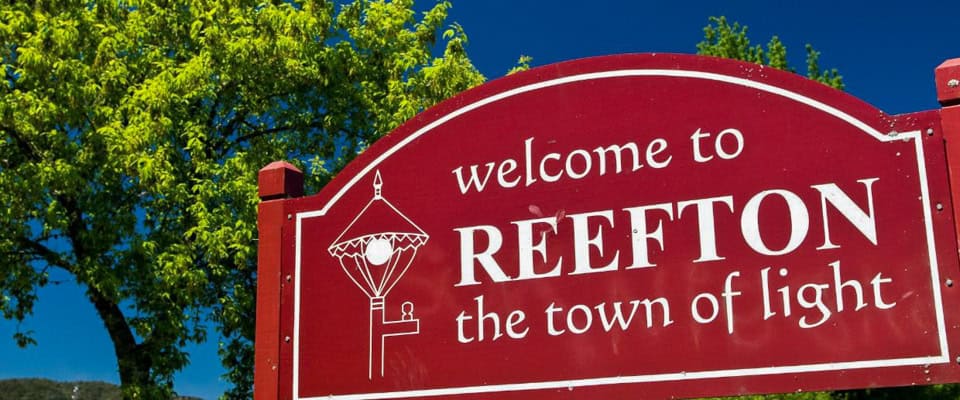
At Reefton, you’ll choose your final stretch to the coast:
- South to Greymouth — the shorter, direct inland road.
- North to Westport, then south down the coast — longer, but a genuinely scenic drive in its own right, with plenty of worthwhile stops along the way.
The Westport to Greymouth coastal option
Turning north to Westport opens up one of the West Coast’s best scenic stretches, with several stops worth building time in for:
- Tauranga Bay Seal Colony — a short walk to a lookout over a resident fur seal colony, just south of Cape Foulwind.
- Cape Foulwind — a walkway along dramatic coastal cliffs, with a lighthouse and sweeping Tasman Sea views.
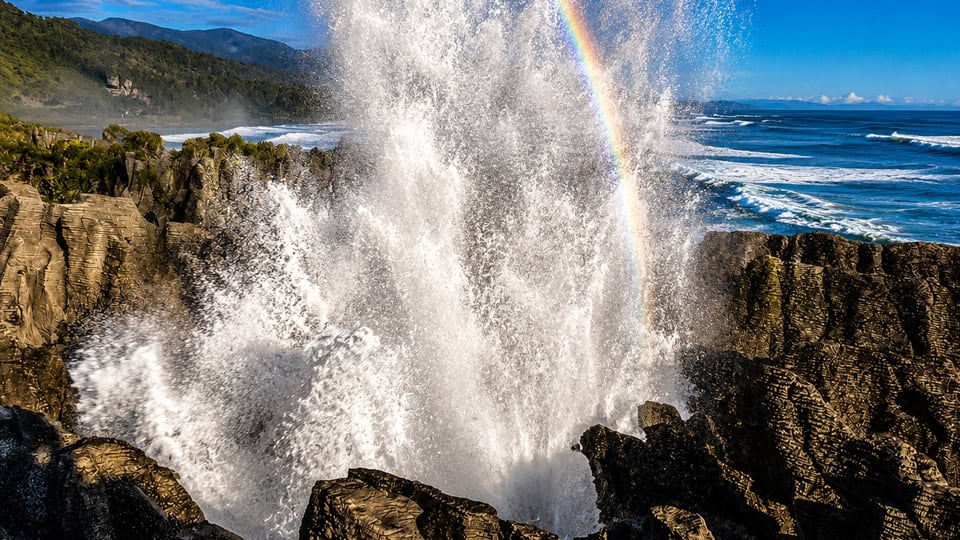
Heading south from Westport, the road brings you to the Pancake Rocks and Blowholes at Punakaiki, about 46 km (40 minutes) north of Greymouth. They’re worth timing around high tide, when the sea surges through the rock formations and can shoot spray metres into the air — at low tide, it’s a much quieter sight, so it’s worth checking a [tide table] before you arrive. Punakaiki itself has accommodation and a local pub/restaurant, and makes a better overnight base than Greymouth if your timing allows — it puts you right on the doorstep for an early or late tide, rather than adding a 40-minute drive back out the next day. TIDE TIMES
If you’re continuing north instead of turning back to Greymouth, Westport is also the turn-off for Karamea, at the very end of the state highway. It’s a there-and-back detour rather than a through-route, but the drawcard is the Ōpārara Basin — giant limestone arches and caves hidden in rainforest, genuinely off the tourist trail and one of the West Coast’s best-kept secrets. We cover this drive in full on our new-zealand-best-kept-secrets/
Arriving on the Coast — Greymouth and Beyond
However you’ve made your way here, both routes bring you into Greymouth, the largest town on the West Coast and a good base to stop, refuel, and get your bearings before continuing south.
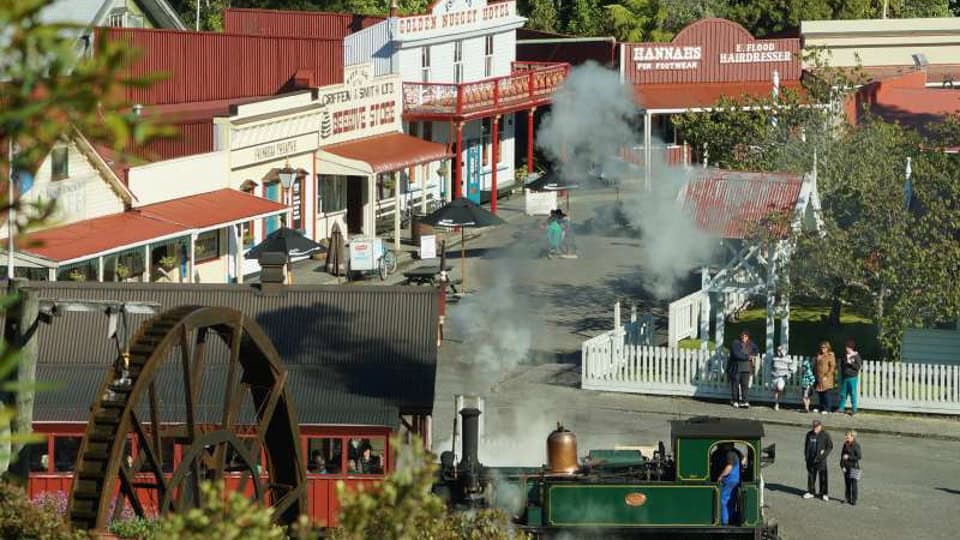
A short stop worth making is Shantytown Heritage Park, a recreated 1880s gold-mining town just south of Greymouth, complete with a steam train, gold panning, and a genuine sense of what life was like here during the rush. It’s an easy, well-signposted stop if you’ve got an hour or two to spare.
Down at the river mouth, it’s worth a short wander to watch the fishing boats coming and going across the Grey River bar — on a rough day, this is genuinely one of the more nerve-wracking pieces of local seamanship in the country, with skippers timing their crossing carefully against the swell. It’s a small thing, but it says a lot about the character of this coast.
Where to spend the night: rather than staying in Greymouth itself, it’s worth pushing on another 40 minutes south to Hokitika. There’s more to fill an evening and a morning here — scenic walks, drives, and driftwood beaches — and after dark, it’s home to the Glow Worm Dell, a short and free roadside walk on State Highway 6 where glow worms light up the bush. Timing matters: aim to arrive at least an hour to ninety minutes after sunset, once it’s properly dark, for the best display.
Where next: for the full range of things to do in Hokitika and along the coast, see our West Coast page. things-to-do-west-coast-of-the-south-island/
Frequently Asked Questions About Driving from Christchurch to Greymouth
Which route should I take from Christchurch to Greymouth, Arthur’s Pass or Lewis Pass?
Both routes lead to Greymouth but offer very different experiences. Arthur’s Pass (State Highway 73) is the shorter route and is renowned for its spectacular alpine scenery, towering mountain peaks, waterfalls and the opportunity to see the famous kea in their natural habitat. Lewis Pass (State Highway 7) is longer but is often considered a more reliable option during poor weather. It passes through Hanmer Springs, Reefton, and can easily be extended to include Westport, Cape Foulwind and the Punakaiki Pancake Rocks, making it an excellent choice for travellers wanting a more leisurely West Coast road trip.
Can I travel from Christchurch to Greymouth without driving?
Yes. One of the most popular alternatives is the TranzAlpine, widely regarded as one of New Zealand’s most scenic train journeys. The train travels from Christchurch through Arthur’s Pass National Park before arriving in Greymouth, allowing you to enjoy the spectacular scenery without driving. Another option is to hire a rental car in Christchurch and return it in Greymouth before continuing your West Coast holiday or joining another tour.
What are the main highlights of the Arthur’s Pass route?
The Arthur’s Pass route is famous for crossing the Southern Alps at an elevation of approximately 920 metres. Highlights include the remarkable limestone formations at Kura Tāwhiti (Castle Hill), spectacular alpine scenery, waterfalls, native beech forests and regular sightings of the inquisitive kea, New Zealand’s famous alpine parrot. Travellers also enjoy stopping at lookouts overlooking the impressive Otira Viaduct, while rail enthusiasts can experience much of the same scenery aboard the TranzAlpine train.
What can I expect on the Lewis Pass and Hanmer Springs route?
The Lewis Pass route offers a relaxed alternative to Arthur’s Pass and begins with a visit to Hanmer Springs, one of New Zealand’s most popular alpine villages, famous for its thermal pools. The road then climbs through Lewis Pass to around 907 metres before descending through native forest towards Reefton and Greymouth. Many visitors extend the journey north to Westport, Cape Foulwind and Punakaiki, making this route ideal for travellers wanting to explore more of the West Coast.
Where should I stay on the West Coast between Greymouth and Hokitika?
Greymouth is an excellent base for exploring the central West Coast, while Hokitika, only around 40 minutes south, is one of the region’s most popular overnight destinations. In Greymouth you can visit Shantytown Heritage Park, explore the Grey River waterfront or enjoy local cafés and restaurants. Hokitika is renowned for its driftwood beach, pounamu (greenstone) galleries, vibrant arts scene and the magical Glow Worm Dell, making it a favourite place to spend the night before continuing your West Coast adventure.
Is the Christchurch to Greymouth drive suitable for motorhomes and campervans?
Yes. Both the Arthur’s Pass and Lewis Pass routes are suitable for motorhomes and campervans, making them popular choices for travellers exploring New Zealand by road. Arthur’s Pass includes steeper alpine sections and winding roads, so drivers should take extra care, particularly during winter when snow or ice may affect conditions. Lewis Pass generally offers gentler gradients and is often preferred in unsettled weather. Whichever route you choose, you’ll find regular fuel stops, cafés, scenic rest areas and plenty of photo opportunities along the way. Always check the latest NZTA road conditions before setting off, especially during winter or after heavy rain.