

- Home
- North Island
- South Island
- NZ Travel Guide
- Contact Us
Best Wine Regions in New Zealand to Visit
Updated: 27th Septmber 2026
Discover the Best New Zealand Wine Regions for Your Holiday
New Zealand’s wine regions offer far more than exceptional wine. From the subtropical vineyards of Kerikeri and the Bay of Islands to Waiheke Island, Hawke’s Bay, Marlborough, Waipara, Wānaka and the dramatic landscapes of Central Otago, each region combines cellar-door tastings with its own scenery, food and local experiences.
Whether you want to cycle between vineyards, enjoy a long winery lunch, join a guided wine tour or simply add a cellar-door tasting to your New Zealand road trip, our guide will help you decide which wine regions are worth visiting and what makes each one special.
Start with our North Island wine map below, then continue south to explore the South Island’s leading wine destinations.

New Zealand Wine Country – From Subtropical Northland to Central Otago
New Zealand may be a relatively small wine-producing country, but its vineyards stretch for more than 1,000 kilometres from the warm, subtropical north to the cool alpine landscapes of the South Island. That remarkable change in climate and geography means travellers can experience very different wines — and very different landscapes — as they journey through the country.
Northland and Waiheke Island enjoy warmer maritime conditions, producing varieties such as Chardonnay, Syrah and Bordeaux-style reds. Further south, Hawke’s Bay is renowned for Chardonnay, Syrah and premium red blends, while the boutique vineyards around Martinborough and the Wairarapa have built an international reputation for Pinot Noir.
Cross the Cook Strait and the character changes again. Marlborough is the home of New Zealand’s world-famous Sauvignon Blanc, while Waipara and North Canterbury are particularly known for Pinot Noir, Riesling and aromatic varieties. Further south, the vineyards around Wānaka, Queenstown and Central Otago combine spectacular alpine scenery with some of New Zealand’s most celebrated Pinot Noir.
But visiting New Zealand wine country isn’t only about what is in the glass. Many regions offer cellar-door tastings, vineyard restaurants, cycling trails, guided wine tours and beautiful places to stay, making them easy to combine with a wider New Zealand holiday.
In this guide, we’ve selected the wine regions we believe offer the best combination of wine, scenery and visitor experiences, helping you choose where to spend a few hours, a full day or several days exploring New Zealand wine country.
Best North Island Wine Regions to Visit
From subtropical Northland and the island vineyards of Waiheke to Hawke’s Bay and boutique Martinborough, the North Island offers four very different wine regions to include in your New Zealand travels.
Northland Wine Region – Kerikeri & Bay of Islands
Northland is where New Zealand’s wine story began. The country’s first grapevines were planted in the Bay of Islands in 1819, and today the region’s warm subtropical climate continues to produce distinctive wines in one of New Zealand’s most beautiful coastal settings.
With around 14 wineries across Northland, the region has a small but diverse wine scene stretching from boutique vineyards around Kerikeri to coastal wineries overlooking the Bay of Islands. The warm maritime climate and long growing season suit varieties including Chardonnay, Pinot Gris, Syrah and red blends, giving Northland wines a noticeably different character from those produced in New Zealand’s cooler southern regions.
For travellers, wine is only part of the experience. Vineyard visits can easily be combined with Kerikeri’s historic sites and waterfalls, Waitangi and Paihia, or a day exploring the islands and coastline of the Bay of Islands. This makes Northland particularly appealing for visitors who want to include a few cellar-door tastings or a vineyard lunch as part of a wider Northland holiday.
Among the region’s wineries, Marsden Estate Winery & Restaurant, Sovrano Estate Winery & Restaurant and boutique Rogue Vine Vineyard are found around Kerikeri. Across the Bay of Islands near Russell, Paroa Bay Winery and Omata Estate add a distinctly coastal wine experience, with vineyards, food and views that reflect the relaxed character of the Bay of Islands.
Mullarkey Wine Tours

Omata Estate - Russell
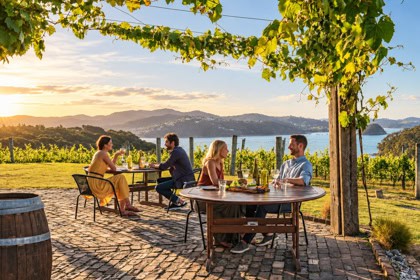
Click on the image for more information on the tour operator
Waiheke Island Wine Region – Auckland's Island of Vineyards

Waiheke Island offers one of New Zealand’s most distinctive wine experiences, combining vineyards, beaches and sweeping views across the Hauraki Gulf just a ferry ride from central Auckland. The island is home to around 30 boutique wineries and vineyards, with many offering cellar-door tastings, vineyard restaurants or both, making wine an integral part of the Waiheke experience.
Its warm, dry maritime climate is particularly suited to Syrah and Bordeaux-style red blends, while Chardonnay and other varieties are also produced across the island. Unlike New Zealand’s larger wine-growing regions, Waiheke’s appeal comes from having such a diverse collection of boutique vineyards concentrated within a relatively small island landscape.
Some of the island’s best-known wineries include Mudbrick Vineyard, renowned for its gardens, dining and views across the Hauraki Gulf; Stonyridge Vineyard, particularly associated with Bordeaux-style reds; Cable Bay Vineyards, with its contemporary cellar door and sea views close to the western end of the island; and Batch Winery, set high above the island with extensive views. These are only a sample of the cellar doors available, leaving plenty of choice for visitors who want to explore beyond the best-known names.
What makes Waiheke particularly rewarding is everything that can be combined with the wine. A day on the island might include a cellar-door tasting, vineyard lunch, beach, coastal walk or sightseeing, while guided wine tours make it possible to visit several vineyards without needing to drive.
Ananda Wine Tours
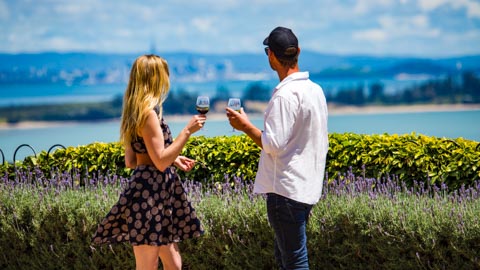
Waiheke Wine Tours
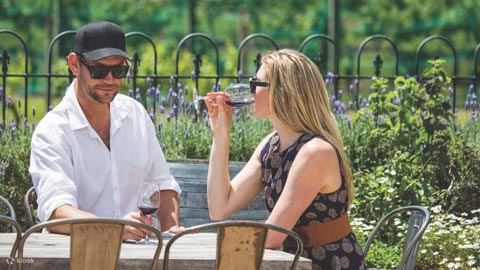
Enjoi Wine Tours
Click on the image for more information on the tour operator
Hawke's Bay Wine Region - Napier, Vineyards, Food & Cycling
Hawke’s Bay is one of New Zealand’s most celebrated wine destinations, combining an extensive vineyard landscape with excellent food, warm sunny weather and the Art Deco city of Napier. It is New Zealand’s second-largest wine-producing region and is particularly renowned for Chardonnay, Syrah and Bordeaux-style red blends, while also producing Sauvignon Blanc, Pinot Gris and other varieties.
The vineyards spread across several distinct areas surrounding Napier, Hastings and Havelock North, including the well-known Gimblett Gravels and Bridge Pa Triangle. This gives visitors plenty of variety, from larger established estates to boutique cellar doors and vineyard restaurants.
Some of Hawke’s Bay’s best-known wineries include Craggy Range, beneath Te Mata Peak near Havelock North; Church Road Winery in Taradale; Mission Estate, New Zealand’s oldest surviving winery; Elephant Hill, close to the coast at Te Awanga; and Te Mata Estate, one of the country’s historic family-owned wineries.
Hawke’s Bay is also particularly enjoyable for travellers because wine doesn’t have to mean spending the entire day in a vehicle. The region’s extensive Hawke’s Bay Trails cycling network passes through vineyard country, making it possible to combine cycling with cellar-door stops, while guided wine tours provide an easy option for exploring wineries spread across the wider region.
A wine day can also be combined with Napier’s Art Deco architecture, Havelock North, Te Mata Peak, local produce and the region’s restaurants, making Hawke’s Bay well worth allowing at least a couple of days rather than treating it simply as a wine-tasting stop.
Mates Travel
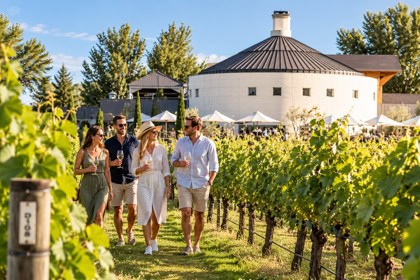
Napier Wine Tours

Odyssey NZ

Click on the image for more information on the tour operator
Martinborough & Wairarapa Wine Region - Boutique Vineyards & Pinot Noir
At the southern end of the North Island, Martinborough and the Wairarapa offer a more intimate style of New Zealand wine experience. The region is small in production compared with Marlborough or Hawke’s Bay, but has built an international reputation for Pinot Noir, alongside Sauvignon Blanc, Chardonnay, Pinot Gris and aromatic varieties.
Martinborough is at the heart of the visitor experience, with many vineyards and cellar doors clustered close to the village. This compact layout is one of the region’s biggest attractions — visitors can walk or cycle between several wineries, stop for lunch and explore the town without spending much of the day travelling between vineyards.
Some of the best-known names around Martinborough include Ata Rangi, one of the pioneers of the region’s Pinot Noir reputation; Palliser Estate; Martinborough Vineyard; Margrain Vineyard; and Poppies Martinborough. Together with smaller producers scattered around the district, they give visitors a good introduction to the boutique character for which Martinborough has become known.
Wine is only part of the reason to visit the Wairarapa. Martinborough can be combined with local food, cycling and the wider Wairarapa countryside, while travellers with more time can explore places such as Greytown, Featherston and Cape Palliser. Its location also makes Martinborough a popular wine-country escape for visitors travelling from Wellington.

Best South Island Wine Regions to Visit
From the world-famous Sauvignon Blanc vineyards of Marlborough to the boutique wineries of Waipara Valley, the lakeside vineyards of Wānaka and the dramatic Pinot Noir country of Central Otago, the South Island offers some of New Zealand’s most spectacular wine experiences. Here, cellar-door tastings and vineyard dining can be combined with cycling, alpine scenery, lakes, mountains and some of the country’s most memorable road trips.
Marlborough Wine Region – Blenheim & Sauvignon Blanc Country
Marlborough is New Zealand’s most famous wine region and the place most closely associated with the country’s internationally recognised Sauvignon Blanc. Vineyards stretch across the Wairau and Awatere valleys around Blenheim, framed by dry hills and distant mountains, creating one of the most recognisable wine landscapes in New Zealand.
While Sauvignon Blanc made Marlborough famous, visitors will also encounter excellent Pinot Noir, Chardonnay, Pinot Gris and sparkling wines. The region’s sunny days, cool nights and varied soils help produce the fresh, aromatic wine styles for which Marlborough has become known around the world.
Blenheim makes an ideal base for exploring Marlborough wine country, with more than 30 cellar doors within approximately 10 kilometres of the town centre. The relatively flat landscape and close proximity of many vineyards also make Marlborough particularly suited to cycling between cellar doors, joining a guided wine tour or spending a leisurely day combining tastings with a vineyard lunch.
Some of Marlborough’s best-known wineries include Cloudy Bay, whose Sauvignon Blanc helped establish Marlborough’s international reputation; Wither Hills, overlooking the Wairau Valley; and Allan Scott Family Winemakers, where visitors can combine cellar-door tastings with vineyard dining. All three currently welcome visitors for wine tasting, with restaurant or food experiences also available.
Wine is only part of the reason to spend time here. Marlborough can easily be combined with Picton and the Marlborough Sounds, local food and seafood, cycling and scenic drives, making it worth allowing more than a quick tasting stop when travelling through the top of the South Island.
With so many wineries and cellar doors spread across the region, a guided Marlborough wine tour is one of the easiest ways to discover a wider selection of vineyards without having to choose them all in advance — or worry about driving between tastings.
Wine Tours By Bike

Hop N Grape Tours

Sounds Connection

Click on the image for more information on the tour operator
Waipara Valley & North Canterbury – Christchurch Wine Country
Just north of Christchurch, Waipara Valley is at the heart of North Canterbury wine country, offering a relaxed collection of vineyards, cellar doors and winery restaurants surrounded by rolling hills and rural landscapes. Its location makes Waipara one of the easiest South Island wine regions to include in a Christchurch itinerary, whether for a few hours of tasting or a full day exploring the valley.
The region is particularly well known for Pinot Noir and Riesling, alongside Chardonnay, Pinot Gris and Sauvignon Blanc. North Canterbury’s combination of warm days, cool nights and varied soils has encouraged a strong community of independent and family-owned producers, giving the region a noticeably boutique character compared with neighbouring Marlborough.
Some of the best-known wineries include Pegasus Bay, one of the pioneering names in Waipara; Greystone Wines, known for its organic vineyards and Pinot Noir; Black Estate, with its vineyard restaurant and cellar door; and Waipara Springs, another long-established local producer. Together they provide a good introduction to the different styles and experiences available across the valley.
Waipara is also particularly enjoyable to explore at a slower pace. Visitors can combine cellar-door tastings with vineyard dining, cycling and the surrounding North Canterbury countryside, while guided wine tours from Christchurch offer an easy option for those who would rather leave the driving to someone else.
For travellers continuing north or south, Waipara also fits naturally into a wider South Island journey, with Christchurch to the south and Hanmer Springs and Kaikōura accessible further north, making wine country an easy addition rather than a major detour.
Waipara Wine Tours
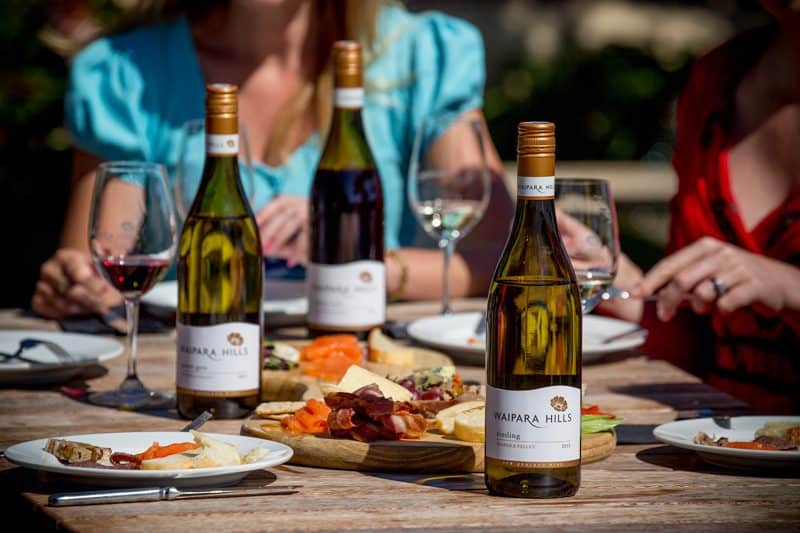
Farm Tour + Winery

Click on the image for more information on the tour operator
Wānaka Wine Region – Lakeside Vineyards & Central Otago Wines
Wānaka offers one of New Zealand’s most scenic wine experiences, with boutique vineyards set against Lake Wānaka and the Southern Alps. Although Wānaka forms part of the wider Central Otago wine region, its cooler and slightly wetter climate gives the area its own character, with the lake helping moderate frost and growing conditions.
Pinot Noir is naturally a highlight, alongside varieties including Riesling, Chardonnay, Pinot Gris and other aromatic whites. Compared with the larger vineyard areas around Cromwell and Bannockburn, Wānaka’s wine scene is smaller and more intimate, making it particularly appealing to visitors who want to combine a few carefully chosen tastings with everything else the destination offers.
Perhaps the best-known vineyard is Rippon, dramatically positioned above Lake Wānaka with views across the vines to the lake and mountains. Rippon is also home to some of Central Otago’s older vines and currently welcomes visitors for cellar-door tastings by appointment. Maude Wines has a tasting room overlooking Wānaka township and is particularly known for Central Otago Pinot Noir, Chardonnay and Riesling, while Aitken’s Folly provides another small, family-run vineyard experience close to town.
Wine tasting in Wānaka is easily combined with the destination’s lakefront, walking and cycling trails, mountain scenery and outdoor activities. Visitors can explore independently or join a guided Wānaka wine tour, making it easy to experience several local producers without needing to drive between tastings.
Roaring Wine Tours
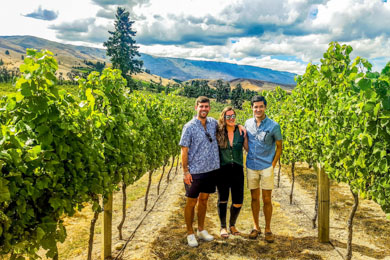
Wanaka Wine Tours
WanHaka - Wine Tours

Click on the image for more information on the tour operator
Central Otago Wine Region – Queenstown, Gibbston & Bannockburn
Central Otago is New Zealand’s southernmost wine region and one of the country’s most spectacular places to experience wine. Surrounded by rugged mountains, deep river gorges and brilliant blue lakes, its vineyards produce some of New Zealand’s most celebrated Pinot Noir, with Chardonnay, Pinot Gris, Riesling and other aromatic varieties also grown throughout the region.
For visitors staying in Queenstown, the closest wine country begins at Gibbston, around 30 minutes east through the Kawarau Gorge. From there, the vineyards continue towards Cromwell and Bannockburn, where warmer, drier conditions produce noticeably different styles of Pinot Noir. Gibbston’s cooler vineyards tend towards lighter, intensely aromatic wines, while Bannockburn is one of Central Otago’s warmest and driest subregions and is particularly renowned for rich, complex Pinot Noir.
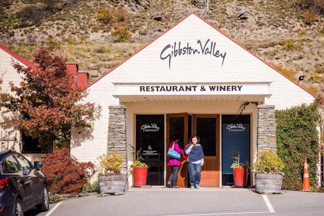
Some of the region’s best-known wineries include Gibbston Valley Winery & Restaurant, home to a cellar door, restaurant and wine cave; Chard Farm overlooking the Kawarau Gorge; Mt Difficulty Wines in Bannockburn; and Carrick Winery Restaurant, also among Bannockburn’s vineyards. These give visitors a taste of several different parts of Central Otago rather than concentrating entirely on the wineries closest to Queenstown.
Central Otago is also particularly well suited to combining wine with a wider day out. Visitors can cycle through Gibbston wine country, enjoy vineyard dining, explore historic Arrowtown or continue through the Kawarau Gorge towards Cromwell and Bannockburn. Guided wine tours from Queenstown are an easy way to visit several cellar doors while leaving the driving between tastings to someone else. New Zealand Winegrowers describes Central Otago as a major wine-tourism destination, with cellar doors and wine experiences spread across its distinctive subregions.
With Queenstown’s adventure activities, Arrowtown, Lake Dunstan, cycling trails and the landscapes of Central Otago all nearby, wine tasting can form part of a full day — or several days — exploring this part of the South Island.
Altitude Wine Tours
"Around the Basin" E-Bike
E-bike Hire & Wineries
Click on the image for more information on the tour operator
Which New Zealand Wine Region Should You Visit?
With wine regions stretching from subtropical Northland to Central Otago, the best place to visit depends on the wines you enjoy and the type of experience you want to include in your New Zealand holiday.
- For Sauvignon Blanc – Marlborough: New Zealand’s most famous Sauvignon Blanc region, with dozens of cellar doors around Blenheim and excellent options for vineyard cycling and guided wine tours.
- For Pinot Noir – Central Otago or Martinborough: Choose Central Otago for dramatic mountain scenery and vineyards around Queenstown, Gibbston and Bannockburn, or Martinborough for boutique wineries clustered close to the village.
- For Chardonnay & Syrah – Hawke’s Bay: Combine some of New Zealand’s leading Chardonnay and Syrah producers with vineyard restaurants, cycling trails, Napier and Havelock North.
- For an island wine experience – Waiheke Island: An easy ferry trip from Auckland combining boutique vineyards, cellar-door tastings, vineyard dining, beaches and Hauraki Gulf scenery.
- For boutique Northland wineries – Kerikeri & Bay of Islands: Discover the birthplace of New Zealand wine while combining vineyard visits with Kerikeri, Waitangi and the wider Bay of Islands.
- For wineries near Christchurch – Waipara Valley: Around an hour north of Christchurch, Waipara is particularly known for Pinot Noir and Riesling, with cellar doors, vineyard restaurants and cycling opportunities.
- For wine with lake and mountain scenery – Wānaka: A smaller, more intimate wine destination where Central Otago wines can be enjoyed alongside Lake Wānaka and spectacular alpine scenery.
- For cycling through wine country – Marlborough or Hawke’s Bay: Both regions have excellent cycling opportunities that allow visitors to combine vineyard scenery with stops at cellar doors along the way.